
Space
Teaching Computers to Spot Secret Star Pairs in Deep Space
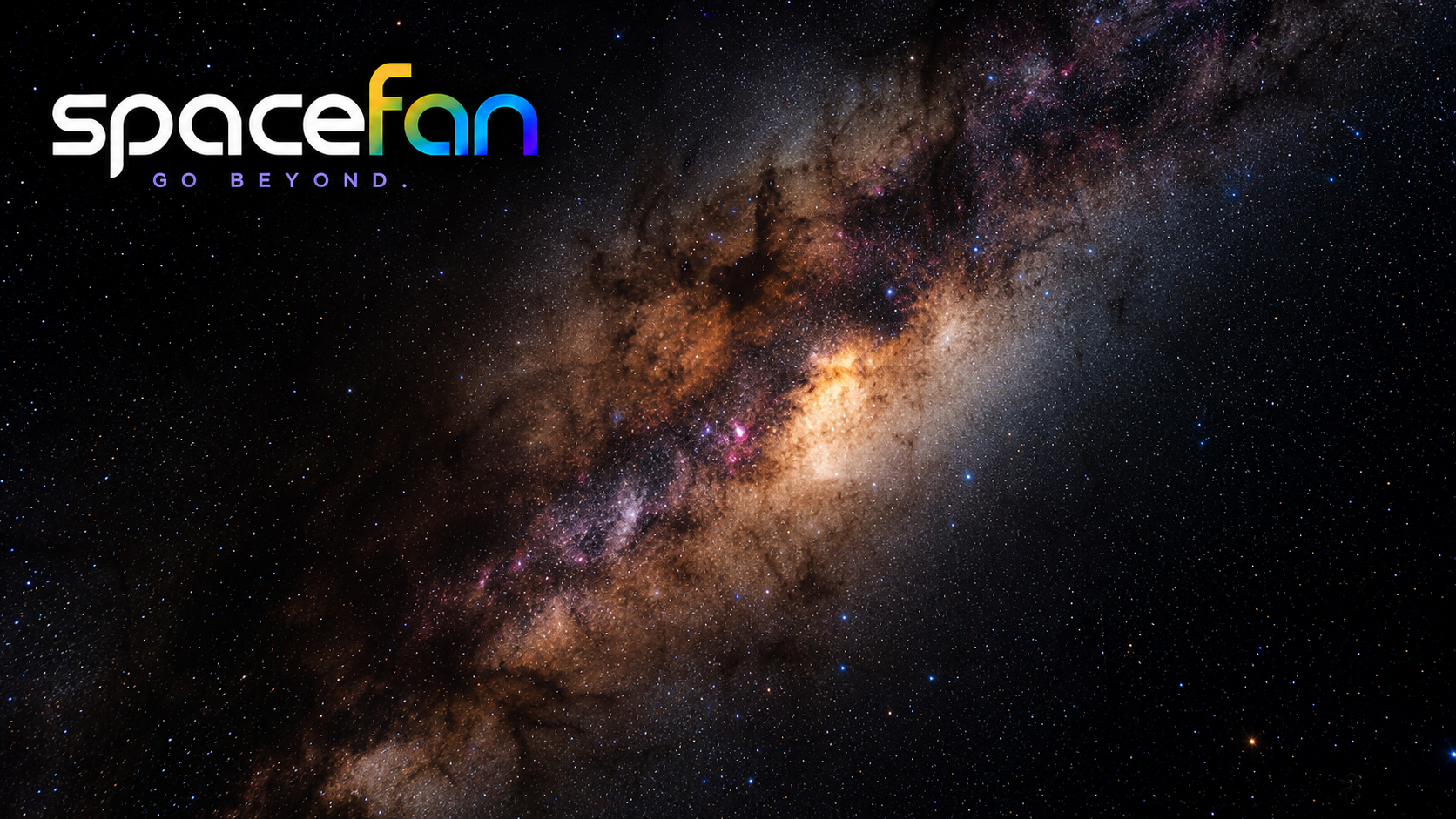
Dense star fields and glowing dust clouds across the center of the Milky Way galaxy.
Photo: Space.Fan

When you look up at the night sky, many of the stars that appear to be lone, shimmering pinpoints are actually part of a complicated dance. A large number of stars in our galaxy are binary systems, meaning two stars are locked in an orbital embrace. Because they are often packed so tightly together, they look like a single light to our eyes—and even to most telescopes. Now, a team of researchers from the National Astronomical Observatories of the Chinese Academy of Sciences is teaching artificial intelligence to act as a cosmic detective, capable of peering through this clutter to identify hidden companions.
To solve this, the team trained a neural network—a computer brain modeled after the human mind—to analyze the light emitted by different star systems. By testing the AI against mock data designed to mimic the upcoming Chinese Space Station Telescope, they found the program was remarkably good at spotting white dwarfs paired with other stars. This success is due to the unique, vibrant colors those specific stars give off. The process, detailed in a study published in The Astronomical Journal, shows how effectively machines can sift through the glow of the galaxy to find patterns that are nearly invisible to us.
While the AI is a game-changer, it isn't perfect yet. It occasionally mistakes two ordinary stars for a single, bright object, meaning astronomers still have to double-check the computer's work. Despite this, the tool is a vital step toward managing the massive amounts of data future space telescopes will collect. By automating the search for binary pairs, scientists are paving the way to create a precise map of our galaxy, helping us understand the history of how stars are born, how they live, and eventually, how they fade away.
Source: Space.Fan