
Space
Astronomers spot ghosts of five long-dead stars
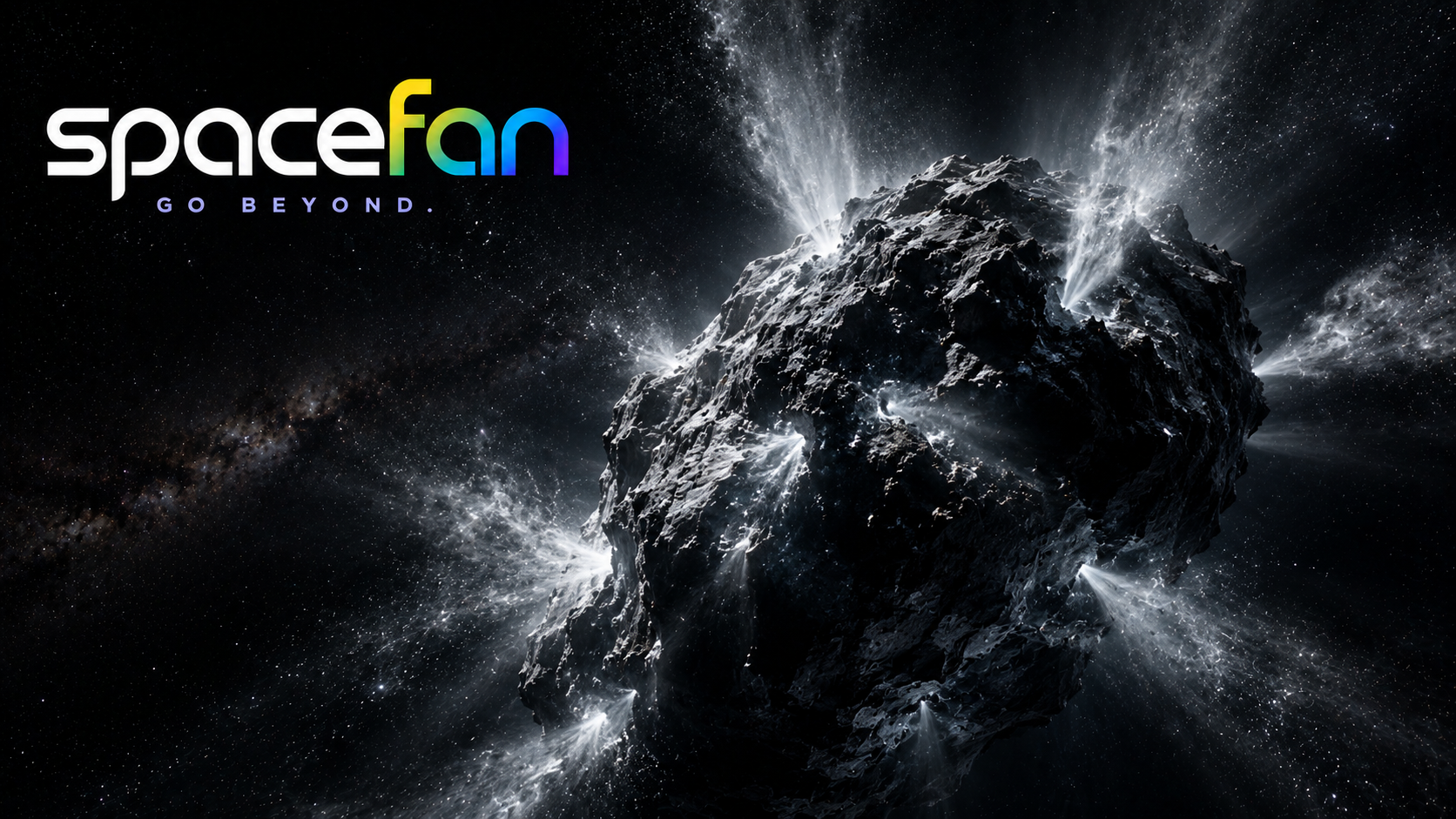
Dark comet nucleus releasing bright jets of gas and dust into surrounding space.
Photo: Space.Fan

When a massive star finally runs out of fuel, it doesn’t just go quietly into the night; it goes out in a blaze of glory that can briefly outshine an entire galaxy. Even after the flash of a supernova fades, the story isn't over.
The leftover gas and dust continue to rush outward, slamming into the surrounding space and creating a lingering, ethereal glow. These beautiful, ghostly shells serve as permanent records of stellar life, and astronomers have just captured new images revealing the distinct remnants of five different cosmic explosions, according to recent observations from NASA.
Each remnant acts like a cosmic thumbprint, with its unique shape and brightness telling the tale of the star that once occupied that space.
By comparing these five different patterns of light and energy, researchers are essentially mapping the history of star deaths within our own cosmic backyard. These remnants allow scientists to work backward, figuring out if the original star was a simple giant or a more complex object.
Because light takes so long to traverse the vast distances of space, looking at these remnants is like peering back in time to see the final, dramatic act of stars that lived eons ago. While these images are just a snapshot in a life cycle that spans thousands of years, they provide vital clues about how different stars behave as they perish.
These glowing remnants are much more than just pretty space photography; they are the galaxy's recycling centers. Every time a star explodes, it scatters essential building blocks like iron, calcium, and oxygen across the universe.
These elements eventually coalesce to form new stars, planets, and even the stuff of life itself. By studying these specific supernovas, astronomers are gaining a better understanding of how much material is returned to the galaxy and how those ingredients shape the future of our solar system.
As technology improves, future missions will dive deeper, measuring the temperature and speed of these gases to see exactly how these stellar ghosts continue to influence the neighborhood we call home.
Source: Space.Fan